Leaving Early Intervention? Therapy can keep coming home.
Early Intervention (EI) ends when your child turns 3. Many families want to keep the in-home, coaching-based support that’s been working.
What changes at 3

EI ends at age 3
In Massachusetts, Early Intervention serves children from birth to their third birthday, and planning for the transition usually starts several months before then.
School-district services may begin
If your child is eligible, your public school district may offer preschool services. These focus on what your child needs to take part and learn at school.
The home piece often drops away
School services usually happen at school, so the in-home visits and hands-on coaching many families valued in EI often don’t carry over.
How I can help
Sessions where your child is comfortable
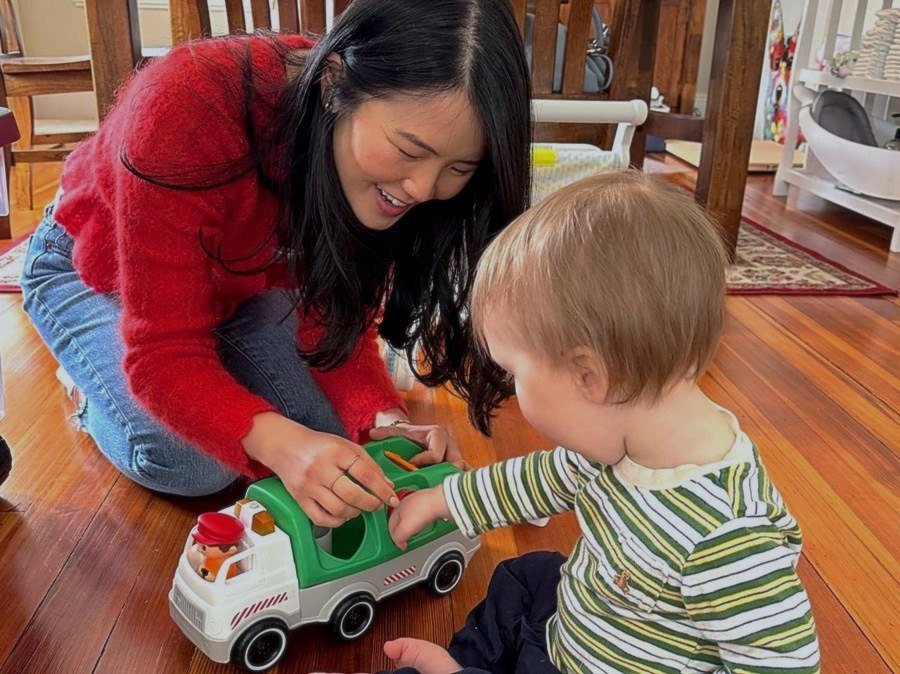
I come to your home, or a park or community spot your child knows, so they can practice skills in the places they actually use them.
Caregiver coaching continues
Every session includes practical coaching for you, so the family piece you’ve relied on doesn’t stop at 3.
Building on what’s working
With your permission, I’m happy to review your child’s EI notes and reports, so we build on the progress you’ve already made instead of starting over.
Working alongside school
Private OT can complement school services, and having worked in schools myself, I know what they cover. With your permission, I coordinate with your child’s school team so we’re all working toward the same goals.
When to reach out
A few months before your child’s third birthday is a good time to talk. That gives us time to get to know each other, so the change feels less abrupt for your child and for you. If your child has already turned 3, that’s okay too. Reach out whenever you’re ready.
There’s no pressure and no commitment. The consultation is free, and it’s simply a conversation about your child and what you’re hoping for.
Morning sessions, made for little ones
I see clients Monday–Saturday, 8:00 AM–7:00 PM, and weekday mornings are a great time for toddlers and preschoolers.
In my experience, many young children are at their most regulated and alert in the morning, before the day’s demands pile up. A morning visit can also fit neatly around half-day preschool and an afternoon nap, so therapy doesn’t have to compete with the rest of your child’s day.
If your child is also working on eating, we can plan a morning session around breakfast or snack time.